
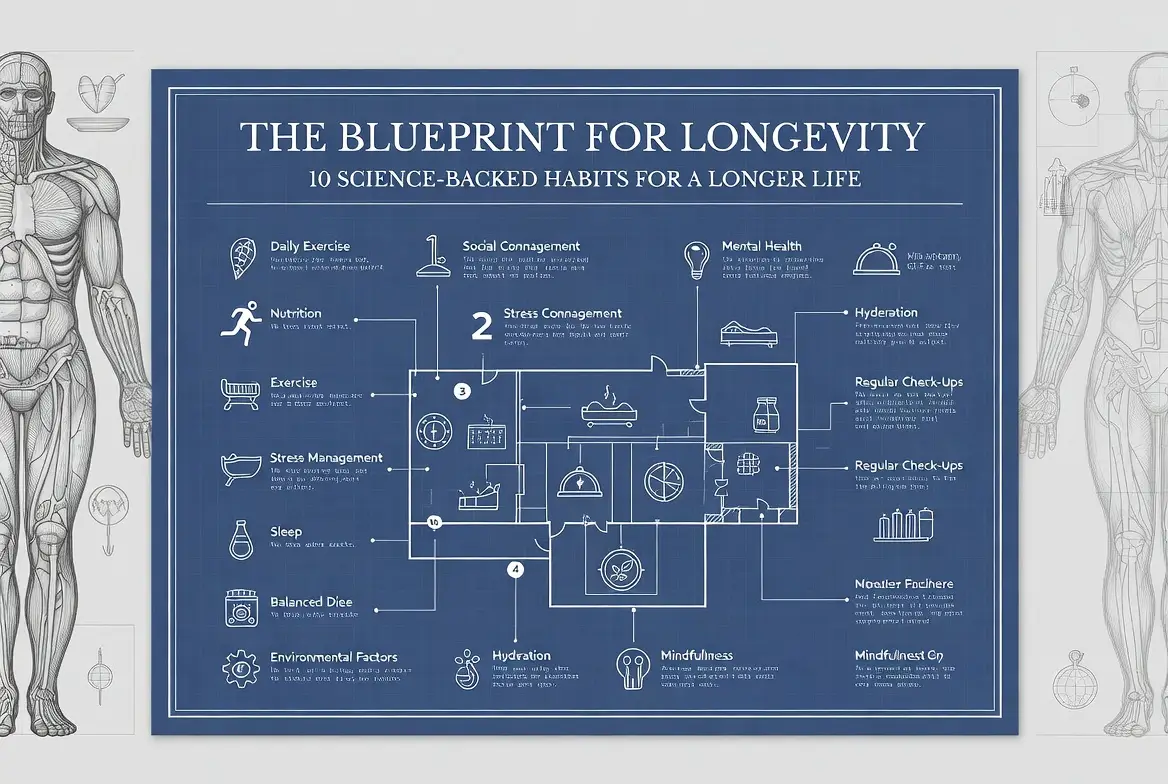
The Ultimate Blueprint for Longevity
For centuries, humanity has sought the mythical “Fountain of Youth,” a magical cure for aging. Yet, in the 21st century, the search has shifted from magic to molecular biology. We are currently living in a golden age of longevity research. Scientists are no longer just asking how we age, but why, and more importantly, what we can do to slow it down.
However, living a long life is not merely about adding candles to a birthday cake. This brings us to a critical distinction that serves as the foundation of modern longevity science: Healthspan vs. Lifespan.
Lifespan is the total number of years you are alive. Healthspan, conversely, is the number of years you live in good health, free from chronic disease and disability. The tragic reality of modern medicine is that while we have successfully extended the human lifespan through antibiotics and acute care, our healthspan has not kept pace. Too many people spend the final decade of their lives battling chronic illnesses, such as heart disease, diabetes, neurodegeneration, and frailty.
Current aging research statistics are both sobering and hopeful. According to the World Health Organization, the number of people aged 60 years and older will double by 2050. Yet, groundbreaking studies from institutions like Harvard Medical School and the Buck Institute for Research on Aging suggest that up to 90% of how we age is dictated not by our genes, but by our lifestyle choices. We possess far more control over our biological destiny than we previously imagined.
This article serves as your comprehensive blueprint. Brought to you by US News Live, we will dissect the biological mechanisms of aging and explore ten essential, science-backed habits designed to bridge the gap between how long you live and how well you live.
Understanding the Science of Aging: Why We Grow Old
Before we can hack the aging process, we must understand the machinery behind it. Aging is not a singular event; it is a cascade of biological failures that occur at the cellular level. In the scientific community, these are often referred to as the “Hallmarks of Aging.” By understanding these mechanisms, we can target our habits to intervene at the root cause.
Cellular Senescence: The “Zombie Cells”
One of the primary drivers of aging is the accumulation of senescent cells. Normally, when a cell becomes damaged or reaches the end of its life cycle, it undergoes a process called apoptosis, essentially programmed cell death. This is a healthy, cleanup mechanism.
However, as we age, some damaged cells refuse to die. Instead, they linger in the body. These are known as senescent cells, or more colloquially, “zombie cells.” They are not merely inert; they are toxic. Zombie cells secrete a cocktail of inflammatory chemicals (SASP) that damage neighboring healthy cells, spreading dysfunction like a wildfire. This accumulation leads to tissue degradation and is a primary contributor to age-related diseases such as osteoarthritis and atherosclerosis. Effective longevity strategies often focus on “senolytic” methods to clear these zombie cells from the body.
Telomere Shortening and DNA Repair
Deep within the nucleus of your cells lies your DNA, arranged in chromosomes. At the tips of these chromosomes are protective caps called telomeres, often compared to the plastic tips at the end of shoelaces. Every time a cell divides to replenish tissue, these telomeres get slightly shorter.
Eventually, the telomeres become too short to protect the chromosome. At this point, the cell detects this as DNA damage and either becomes senescent (turning into a zombie cell) or dies. This process limits the number of times cells can divide, known as the Hayflick limit. While telomere shortening is a natural part of aging, chronic stress, poor diet, and lack of exercise can accelerate this process significantly, leading to premature cellular aging.
The Role of Inflammation (Inflamm-aging)
Inflammation is the body’s natural immune response to injury or infection. It is a vital survival mechanism. However, as we age, the regulation of the immune system becomes faulty, leading to a chronic, low-grade state of inflammation throughout the body. Scientists call this “Inflamm-aging.”
This persistent inflammatory state is the common soil in which nearly all chronic diseases grow. It damages blood vessels, contributes to insulin resistance, and accelerates neurodegeneration. It is driven by the accumulation of zombie cells, visceral fat, and environmental toxins. Therefore, a central pillar of longevity is the reduction of systemic inflammation through lifestyle modulation.
The 10 Essential Habits for Longevity
While the science of aging sounds complex, the solutions are surprisingly accessible. Here are ten essential habits, grounded in rigorous science, to optimize your biology.
1. Precision Nutrition: Beyond Just Eating Green
The adage “eat your vegetables” is true, but for longevity, we need a more sophisticated approach. It is not just about caloric restriction; it is about nutrient density and metabolic switching.
Focus: Intermittent Fasting, Blue Zones Diet, and Polyphenols. Intermittent fasting (IF) and time-restricted feeding (TRF) have gained massive attention for their ability to induce autophagy, a cellular “cleanup” process where the cell digests its own damaged components. When we are constantly in a “fed” state, autophagy is suppressed. By creating periods of fasting, we allow the body to repair itself.
Furthermore, we look to the Blue Zones regions of the world where people live to 100 at the highest rates (Okinawa, Sardinia, etc.). Their diets are predominantly plant-based, rich in beans, lentils, and leafy greens. They avoid processed foods and consume moderate amounts of protein.
Additionally, we must prioritize polyphenols. These are bioactive compounds found in colorful plants (like berries, turmeric, and green tea). Polyphenols act as mild stressors that trigger the body’s defense systems, similar to how exercise builds muscle.
Sub-point: The Impact of High-Absorption Nutrients. Eating healthy is useless if your body cannot absorb the nutrients. Bioavailability is key. Many longevity compounds are fat-soluble. For instance, curcumin in turmeric requires black pepper and fat to be effectively absorbed. Focusing on gut health and high-absorption nutrients ensures that the food you eat actually translates into cellular repair.
2. Physical Activity: The Synergy of Strength and Cardio
Exercise is arguably the most potent drug available for longevity, yet it is often underdosed.
Focus: VO2 Max as a Longevity Predictor and Resistance Training. Recent studies have highlighted VO2 Ma,x the maximum amount of oxygen your body can utilize during intense exercise,se as a terrifyingly accurate predictor of lifespan. A high VO2 Max is strongly associated with a reduced risk of all-cause mortality. It indicates a robust cardiovascular system and efficient mitochondrial function. To improve this, one must occasionally push into zone 2 cardio (moderate effort) and higher intensity intervals.
Equally important is Resistance Training. After age 30, we naturally lose muscle mass, a condition called sarcopenia. Muscle is not just for aesthetics; it is an organ of longevity. It acts as a sink for blood glucose, helping to clear sugar from the bloodstream and protecting against diabetes. Furthermore, the mechanical loading of bones during resistance exercise signals osteoblasts to build new bone, preventing osteoporosis. A longevity routine must include lifting weights.
3. Metabolic Health & Weight Management
Metabolic health is the bedrock of longevity. It is entirely possible to be thin and metabolically unhealthy (“skinny fat”), which carries similar risks to obesity.
Focus: Insulin Sensitivity and Visceral Fat Reduction. The primary goal here is maintaining insulin sensitivity. Insulin is a hormone that shuttles energy into cells. When we constantly spike our blood sugar with refined carbs, our cells become “deaf” to insulin, leading to Type 2 Diabetes and metabolic syndrome. High insulin levels drive inflammation and accelerate aging.
We must also target visceral fat, the fat stored deep within the abdominal cavity around the liver and pancreas. Unlike subcutaneous fat (the fat under the skin), visceral fat is metabolically active, pumping out inflammatory cytokines directly into the portal vein that feeds the liver. Reducing visceral fat through diet and exercise is a non-negotiable step for extending healthspan.
4. Sleep Architecture: The Brain’s Rinse Cycle
We often sacrifice sleep for productivity, viewing it as “downtime.” Science, however, reveals that sleep is a highly active state essential for survival.
Focus: Deep Sleep, REM, and the Glymphatic System During deep sleep (NREM), the brain undergoes a fascinating process via the glymphatic system. This system acts as a “rinse cycle,” flushing out neurotoxins and metabolic waste products such as beta-amyloid proteins associated with Alzheimer’s disease that accumulate during waking hours.
Without sufficient deep sleep (typically 7-9 hours), this cleanup crew never gets the chance to work. Furthermore, REM sleep is crucial for emotional regulation and memory consolidation. Chronic sleep deprivation is linked to a significantly higher risk of dementia, heart attack, and immune suppression. Prioritizing sleep is not laziness; it is neurological maintenance.
5. Stress Modulation & Cortisol Control
Stress is a biological reality, but our modern environment creates a mismatch. We are designed for acute stress (running from a predator), not chronic stress (traffic jams, emails, financial worry).
Focus: Chronic Stress vs. Hormetic Stress (Saunas, Cold Plunges) Chronic stress keeps cortisol levels elevated, which suppresses the immune system, increases visceral fat, and shortens telomeres. It is a direct accelerator of aging.
However, there is a “good” kind of stress called Hormesis. This is the concept that “what doesn’t kill you makes you stronger.” Exposure to short bursts of acute stress, such as sauna sessions (heat shock proteins) or cold plunges (norepinephrine release), activates cellular repair pathways. The key distinction is duration: Chronic stress breaks you down; Hormetic stress builds you up.
6. Social Integration & The Power of Community
Humans are inherently social creatures. Evolution wired us to rely on the tribe for survival. Consequently, isolation triggers physiological stress responses.
Focus: Why Loneliness is as Deadly as Smoking 15 Cigarettes a Day. Research from Julianne Holt-Lunstad at Brigham Young University has shown that social isolation carries a mortality risk equivalent to smoking 15 cigarettes a day. It is twice as harmful as obesity.
Social integration buffers stress and promotes the release of oxytocin, a hormone that counters the effects of cortisol. In the Blue Zones, strong social networks often centered around family, faith, or community groups are a common denominator. Investing in relationships is literally an investment in your biology.
7. Cognitive Reserve: Future-Proofing Your Brain
The concept of Cognitive Reserve refers to the brain’s ability to improvise and find alternate ways of getting a job done. A high cognitive reserve acts as a buffer against dementia.
Focus: Neuroplasticity and Lifelong Learning.g The brain possesses neuroplasticity, the ability to form new neural connections throughout life. However, this requires stimulation. Doing the crossword puzzle every day is helpful, but eventually, the brain adapts, and it becomes too easy.
To build a reserve, you must engage in “novelty.” Learning a new language, taking up a musical instrument, or mastering a complex skill forces the brain to lay down new wiring. This cognitive “muscle” protects the brain against the structural damage of aging.
8. Advanced Hydration & Cellular Osmosis
Water is the medium in which all cellular reactions occur. However, hydration is more complex than just drinking water.
Focus: Beyond 8 Glasses Electrolytes and Cellular Hydration. You can drink gallons of water and still be dehydrated at the cellular level if you lack electrolytes (sodium, potassium, magnesium). Water follows electrolytes via osmosis. Without adequate minerals, water passes through the body without entering the cells effectively.
Cellular dehydration impairs energy production (ATP synthesis) and protein folding. Optimizing hydration involves balancing water intake with mineral-rich foods (like leafy greens and nuts) or electrolyte supplementation to ensure the water actually reaches the tissues that need it.
9. Environmental Detoxification
We live in a sea of chemicals. While the liver is a detox powerhouse, the sheer volume of modern toxins can overwhelm our biological systems.
Focus: Reducing Microplastics and Endocrine Disruptors. Endocrine disruptors are chemicals that mimic hormones in the body, confusing the endocrine system. Common culprits include BPA and phthalates found in plastics, which act as “xenoestrogens.” These chemicals are linked to reproductive issues, obesity, and cancers.
Furthermore, microplastics have been found in human blood. While we cannot avoid everything, we can reduce exposure by using glass or stainless steel containers, avoiding heating food in plastic, and choosing organic produce to minimize pesticide load. Reducing this toxic load frees up liver resources to focus on metabolic maintenance.
10. Purpose & Mindset (Ikigai)
Why do you wake up in the morning? The answer to this question may determine how long you live.
Focus: How Having a “Why” Adds Years to Your Life The Japanese concept of Ikigai, which roughly translates to “a reason for being,” is central to the longevity of Okinawans. Having a sense of purpose provides a psychological “North Star.”
Psychologically, purpose reduces depression and anxiety. Biologically, it activates the vagus nerve and promotes the parasympathetic nervous system (rest and digest mode). Studies have shown that retirees who have a strong sense of purpose live longer than those who drift aimlessly. Your mindset is not just a mental state; it translates into tangible physiological outcomes.
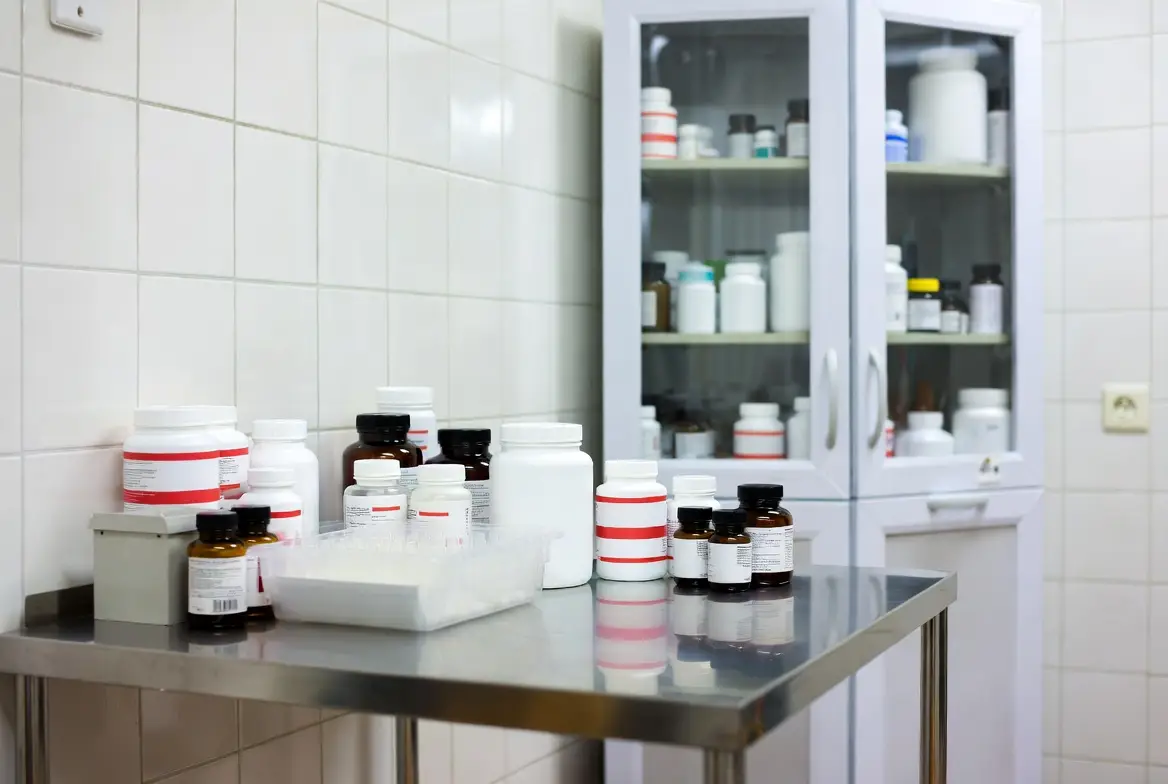
Enhancing Results with Longevity Science (The Supplementation Angle)
Even with a perfect diet and rigorous exercise, modern science suggests we can further optimize our biology. The field of nutraceuticals and longevity technology has evolved beyond simple multivitamins.
This is where modern technology, such as that developed by innovators like iüLabs, plays a pivotal role. While we cannot rely on pills to fix a bad lifestyle, targeted supplementation can address specific deficiencies and enhance cellular function in ways that food alone sometimes cannot, due to soil depletion or absorption issues.
Why Nutrient Absorption Matters (Bioavailability)
One of the biggest challenges in supplementation is bioavailability. A supplement label might say “500mg of Curcumin,” but if your body only absorbs 5mg of it, you are wasting your money.
The gut is a selective barrier. Many potent longevity compounds are large molecules or are broken down by stomach acid before they reach the bloodstream. Advanced delivery systems such as liposomal delivery (wrapping the nutrient in a fat bubble) or multi-scalar cellular absorption technologies used by companies like iüLabs are designed to bypass the stomach’s harsh environment and deliver nutrients directly into the cells. This ensures that the compound actually exerts its biological effect rather than being excreted.
Natural Compounds: Curcumin, Resveratrol, and Quercetin
Science has identified several “geroprotectors,” natural compounds that slow aging.
- Curcumin: The active compound in turmeric. It is a powerful anti-inflammatory and antioxidant. It has been shown to activate SIRT genes, which are associated with DNA repair and longevity. However, it is notoriously difficult to absorb, requiring advanced formulations (like those mentioned above) to be effective.
- Resveratrol: Found in the skin of red grapes and berries. It gained fame for its role in mimicking the effects of caloric restriction and activating sirtuins (longevity genes).
- Quercetin: A flavonoid found in onions and apples. It acts as a senolytic, helping to clear the body of “zombie cells.”
By combining these compounds with high-tech absorption methods, we can amplify the benefits of a healthy diet.
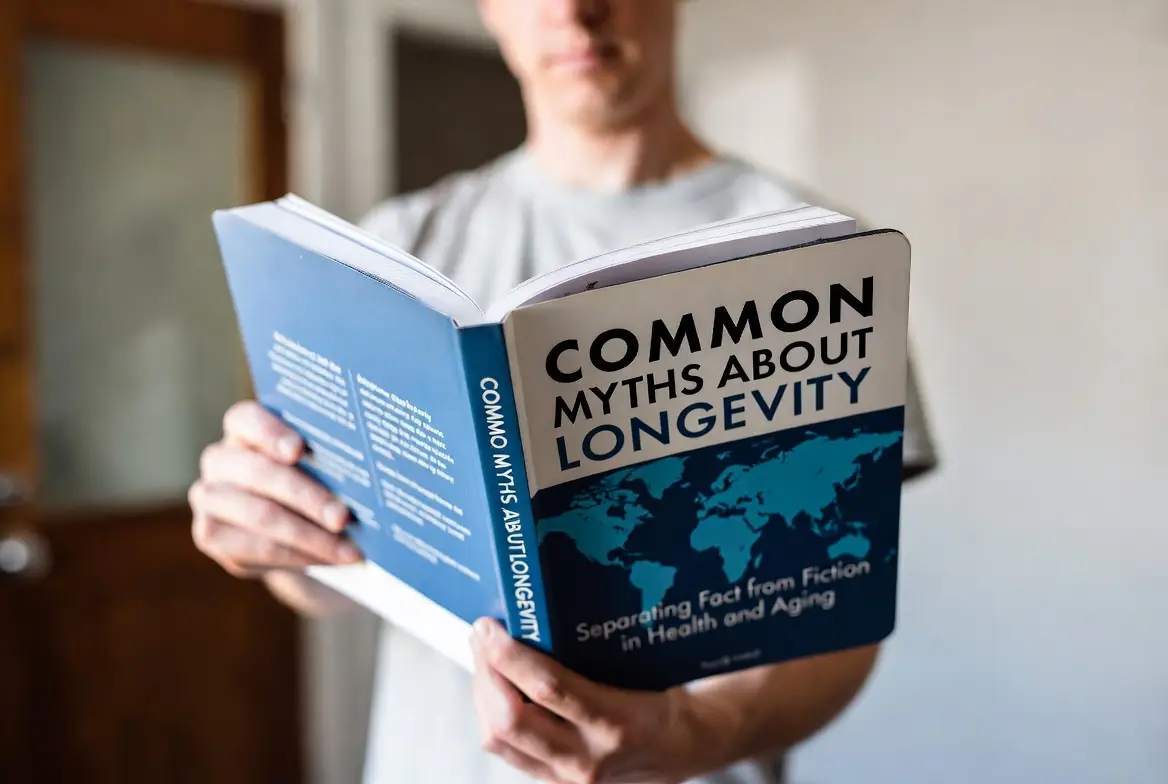
Common Myths About Longevity
As interest in longevity grows, so does misinformation. Let’s debunk two pervasive myths.
“It’s all in the genes.” This is the most common fatalistic view. People assume that if their father had a heart attack at 60, they are doomed to the same fate.
- Fact: Genetics accounts for only about 20-25% of your longevity. The field of epigenetics has shown that your lifestyle (diet, stress, environment) dictates how your genes are expressed. You can have the gene for a disease, but lifestyle choices can keep that gene “switched off.” You are the driver, not the passenger.
“Anti-aging is only for the wealthy.” There is a perception that longevity requires expensive clinics, boutique gyms, and exclusive supplements.
- Fact: The most effective longevity interventions are free or low-cost. Walking, sleeping 8 hours, intermittent fasting, community engagement, and stress management cost nothing. While technology can enhance results, the foundational pillars of health are accessible to almost everyone.
Frequently Asked Questions (FAQ)
What is the best age to start a longevity routine? The best time was 20 years ago; the second-best time is today. While starting early builds a larger reserve, research shows that adopting healthy habits even in your 60s or 70s can significantly extend lifespan and improve quality of life. It is never too late to benefit from change.
Can supplements replace a bad diet? Absolutely not. Supplements are meant to supplement, not replace. A poor diet creates metabolic chaos (insulin spikes, inflammation) that no pill can fully counteract. Supplements work best when layered on top of a foundation of whole foods, exercise, and sleep.
What is the #1 habit for a longer life? If we had to choose just one based on mortality data, it would likely be resistance training/physical activity. However, it is a tight race with sleep. Exercise protects the heart, brain, and muscles simultaneously. It is the closest thing we have to a “magic pill.”
Conclusion: Your Roadmap to a Vibrant Future
The quest for longevity is not about denying death; it is about embracing life fully. It is about ensuring that in your 70s, 80s, and beyond, you retain the physical strength to travel, the cognitive clarity to learn, and the social connection to love.
The science is clear: We are not passive victims of an aging clock. We have the tools to wind it back, or at least slow the ticking. By understanding cellular senescence, managing inflammation, and adhering to the ten habits outlined above,e from precision nutrition and resistance training to finding your Ikig, ai you can rewrite your health trajectory.
If you are uploading documents or images for your application, use our Free Image Compressor tool. This will significantly strengthen your internal linking.